





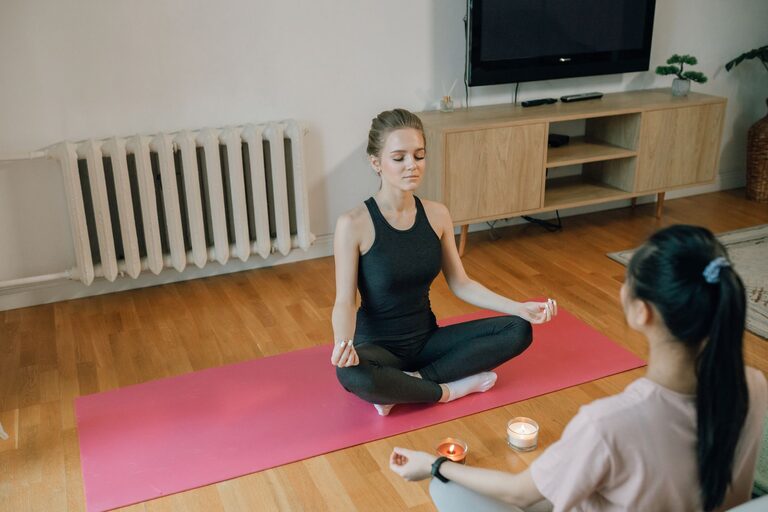
Taking mindful breathing breaks is a simple yet powerful way to reduce stress, boost focus, and improve your overall sense of well-being. Whether you’re working at a desk, managing household tasks, or just navigating a busy day, pausing for mindful breathing can help center your thoughts and promote calmness. If you’re new to mindful breathing, this guide will walk you through beginner-friendly tips to get started and make the most of your breathing breaks.
What Is Mindful Breathing?
Mindful breathing is the practice of paying close attention to your breath—the inhale and exhale—as a way to anchor your awareness in the present moment. It’s a form of mindfulness meditation that doesn’t require any special equipment or setting. The key is to bring gentle, non-judgmental attention to your breathing pattern, which naturally slows down your mind and body.
Why Take Mindful Breathing Breaks?
Life can get hectic, and it’s easy to get caught up in worries, distractions, or feelings of overwhelm. Taking short mindful breathing breaks during your day can:
– Reduce stress and anxiety: Focusing on breathing activates the body’s relaxation response.
– Increase concentration: Breathing breaks reset your attention, improving mental clarity.
– Enhance emotional resilience: Regular practice helps you respond calmly to challenges.
– Improve physical health: Deep breathing supports better oxygen intake and lowers heart rate.
Even a few minutes of mindful breathing can help you feel more grounded and refreshed.
How to Prepare for Your Breathing Break
Before you begin your mindful breathing practice, consider these simple preparations:
- **Find a quiet spot:** Choose a place where you won’t be disturbed for a few minutes.
- **Sit comfortably:** You can sit on a chair with your feet flat on the floor, or sit cross-legged on a cushion.
- **Keep a relaxed posture:** Sit upright but not stiff, allowing your shoulders to relax.
- **Set a timer (optional):** Start with 2-5 minutes and gradually increase the time as you get more comfortable.
Step-by-Step Guide to Mindful Breathing for Beginners
Follow these steps to take an effective mindful breathing break:
1. Close Your Eyes or Soften Your Gaze
If you feel comfortable, gently close your eyes. If not, soften your gaze by looking at a spot in front of you without focusing on anything in particular.
2. Notice Your Natural Breath
Begin by simply observing your breath without trying to change it. Notice where you feel it most clearly—whether it’s in your nose, chest, or belly. Pay attention to the rhythm and depth.
3. Take Slow, Deep Breaths
Now, start to breathe a bit more slowly and deeply. Inhale quietly through your nose for a count of four, feeling your belly rise. Then exhale gently through your mouth or nose for a count of four, noticing your belly fall.
4. Focus on the Sensations
Direct your attention to the physical sensations of breathing—such as the air entering your nostrils, the expansion and contraction of your lungs, or the movement of your chest and abdomen.
5. Gently Return When Distracted
Your mind may wander, and that’s completely normal. When you notice your thoughts drifting, gently bring your focus back to your breath without judging yourself.
6. End Mindfully
After your breathing break, slowly bring your awareness back to your surroundings. Open your eyes if they were closed, and take a moment to notice how you feel before returning to your tasks.
Tips to Make Mindful Breathing a Habit
Developing a mindful breathing routine takes practice. Try these strategies to stay consistent:
– Schedule regular breaks: Set reminders on your phone or computer to take breath breaks every hour.
– Pair breathing with daily activities: Do mindful breathing while waiting in line, before meetings, or during breaks.
– Use apps or guided meditations: Apps can offer simple breathing exercises to follow along.
– Start small: Even 1 or 2 minutes several times a day can be beneficial.
– Be patient: Like any new habit, it takes time to feel natural.
Common Challenges and How to Overcome Them
Starting a mindful breathing practice can sometimes be tricky. Here are a few common challenges:
– Restlessness or fidgeting: If you feel antsy, try a shorter session or add gentle movement before sitting to breathe.
– Busy mind: It’s normal for thoughts to arise—acknowledge them calmly and return focus to your breath.
– Impatience for results: Benefits come with regular practice; don’t expect immediate changes.
– Forgetting breaks: Use alarms or link breathing to cues like finishing a task to help remember.
Additional Breathing Techniques to Explore
Once you feel comfortable with basic mindful breathing, you can try other techniques:
– Box breathing: Inhale for 4 counts, hold for 4, exhale for 4, hold for 4, then repeat.
– 4-7-8 breathing: Inhale for 4 counts, hold for 7, exhale slowly for 8 counts.
– Alternate nostril breathing: Using your thumb and ring finger, alternate closing one nostril while breathing through the other.
These techniques can add variety and deepen relaxation.
Final Thoughts
Mindful breathing breaks are a simple, accessible way to reduce stress and improve focus anytime, anywhere. Starting with just a few minutes a day can make a big difference in your daily mood and productivity. Remember, the goal is not to “perfect” your breathing but to gently bring awareness to it and cultivate a sense of calm. With patience and practice, mindful breathing can become a valuable tool in your wellness toolkit.
Why not try a mindful breathing break right now? Take a deep breath, slow down, and enjoy the moment. Your mind and body will thank you!




More Stories