




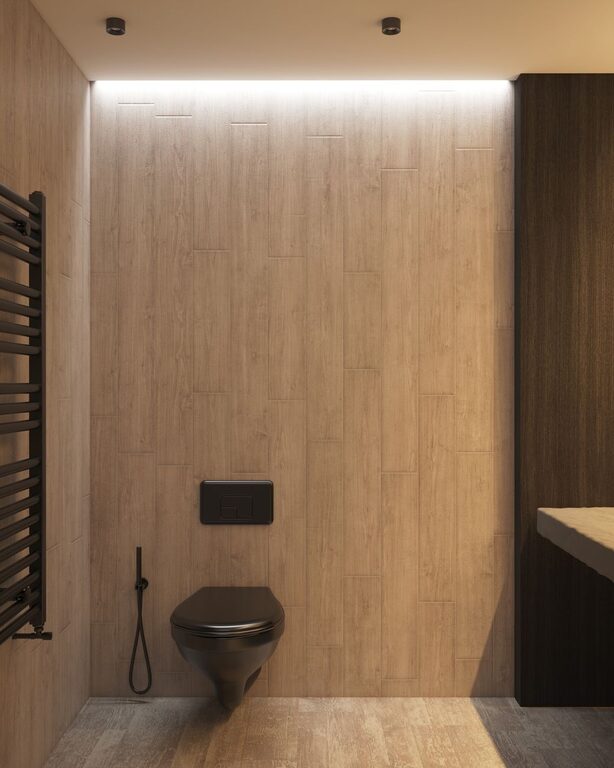
Creating a minimalist bathroom setup is a wonderful way to transform your space into a clean, calm, and functional oasis. Minimalism focuses on simplicity, eliminating clutter, and embracing only what is necessary. With the right approach, you can design a bathroom that feels peaceful and inviting without sacrificing style or comfort.
In this guide, we’ll walk you through practical tips and ideas for achieving a minimalist bathroom setup, no matter the size or style of your space.
Why Choose a Minimalist Bathroom?
Minimalist design is about more than just aesthetics—it promotes ease of use, cleanliness, and reduces stress by creating an uncluttered environment. A minimalist bathroom:
– Feels more spacious and open.
– Is easier to clean and maintain.
– Focuses on essential items, reducing visual noise.
– Creates a spa-like atmosphere ideal for relaxation.
Step 1: Declutter and Simplify
Before you begin any design changes, start by decluttering your bathroom. Sort through all your items and only keep those that you use regularly or bring you joy.
Tips for decluttering:
– Remove expired or empty products.
– Store away backup toiletries in another room.
– Donate or recycle duplicate items.
– Use small bins or trays to group items together neatly.
Step 2: Choose a Neutral Color Palette
Minimalist bathrooms often feature neutral colors such as white, beige, gray, or soft pastels. Neutral tones create a sense of calm and openness.
Color ideas:
– White walls and tiles for a clean look.
– Light gray cabinetry or shelves for subtle contrast.
– Natural wood accents to add warmth.
– Matte finishes to reduce glare and enhance softness.
Step 3: Select Simple, Functional Fixtures
Keep your fixtures simple and functional to complement the minimalist look.
Consider:
– A wall-mounted faucet to save counter space.
– A frameless mirror or a mirror with a thin frame.
– A simple sink with clean lines.
– A rainfall showerhead for a spa feel without extra clutter.
Step 4: Maximize Storage with Minimal Impact
Storage is key in any bathroom, but minimalist design calls for clever solutions that keep clutter out of view.
Storage ideas:
– Floating shelves to keep the floor clear.
– Built-in niches in the shower for shampoo and soap.
– Cabinets with flat-front doors for a sleek look.
– Under-sink storage baskets or organizers.
Step 5: Use Textures and Materials Wisely
Since the color palette is often simple, textures and materials add interest without overwhelming the space.
Material suggestions:
– Matte ceramic or porcelain tiles.
– Natural stone or concrete countertops.
– Soft cotton towels and bath mats in solid colors.
– Wooden accessories like soap dishes or trays.
Step 6: Add Minimalist Accessories
Keep accessories to a minimum but choose pieces that enhance the space.
Accessory tips:
– A single plant in a small pot for a touch of greenery.
– A simple soap dispenser and toothbrush holder set.
– Minimalist hooks or towel bars.
– A sleek waste bin tucked away neatly.
Step 7: Maintain Cleanliness and Simplicity
Regular maintenance helps your minimalist bathroom stay beautiful and clutter-free.
Maintenance tips:
– Wipe down surfaces daily to prevent buildup.
– Organize items weekly to avoid clutter returning.
– Limit the number of decorative items.
– Keep only essential products on display.
Final Thoughts
Designing a minimalist bathroom is about embracing simplicity and functionality. By decluttering, choosing neutral colors, selecting clean-lined fixtures, and cleverly organizing your space, you can create a bathroom that feels fresh, open, and relaxing every day. Remember, less is more in a minimalist setup, and every element should serve a purpose.
Take your time and enjoy the process of turning your bathroom into a peaceful retreat that reflects calm and order.


More Stories