




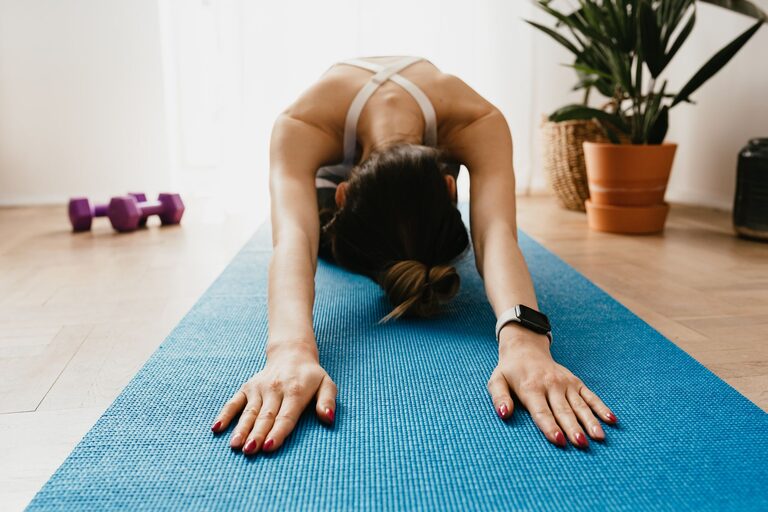
Stretching is a simple yet powerful way to enhance your physical health and overall comfort. Whether you work from home, spend long hours sitting, or just want to add a gentle activity to your daily routine, stretching can help you feel better and move more freely. This beginner’s guide will introduce you to the basics of stretching at home, with easy steps and tips to get started safely and confidently.
Why Stretch at Home?
Stretching doesn’t require a gym, special equipment, or a lot of space. Doing it at home offers several benefits:
– Convenience: No need to commute or schedule workouts around a busy day.
– Cost-effective: No equipment or memberships required.
– Improved flexibility: Regular stretches help maintain or increase your range of motion.
– Reduced muscle tension: Stretching can relieve stiffness and discomfort from prolonged sitting or repetitive movements.
– Better posture: Stretching tight muscles supports better alignment.
– Relaxation: It can reduce stress and help you feel more centered.
Understanding the Basics of Stretching
Before jumping into stretching, it’s helpful to know some basics:
Types of Stretching
- **Static Stretching:** Holding a stretch for 15–60 seconds without movement. This is great for relaxing muscles after activity or as part of a cool-down.
- **Dynamic Stretching:** Moving parts of your body gently through a full range of motion. This warms up your muscles before exercise.
- **Ballistic Stretching:** Involves bouncing movements to push beyond your normal range of motion. This is generally not recommended for beginners because it can cause injury.
- **PNF Stretching (Proprioceptive Neuromuscular Facilitation):** A more advanced technique involving contracting and relaxing muscles to deepen a stretch. Best done with a partner or guidance.
For beginners, focusing on static and dynamic stretching is the safest and most effective way to start.
When to Stretch
– Before exercise: Use dynamic stretches to warm muscles.
– After exercise: Use static stretches to relax muscles and reduce soreness.
– During the day: Light stretching breaks help prevent stiffness from sitting too long.
Safety Tips
– Never stretch to the point of sharp pain.
– Move slowly and breathe deeply while stretching.
– Hold each stretch gently—avoid bouncing.
– Warm up briefly (like walking for 5 minutes) before stretching cold muscles.
– If you have an injury or medical condition, consult a healthcare provider before starting.
Easy Stretching Routine for Beginners
Here is a simple routine you can do at home in about 10–15 minutes. Aim to stretch at least 3 times a week, or daily if possible.
Warm-Up (3–5 minutes)
– March or jog lightly in place.
– Swing your arms gently forward and back.
– Perform gentle torso twists.
Stretching Exercises
#### 1. Neck Stretch
– Sit or stand with a straight back.
– Slowly tilt your head toward your right shoulder until you feel a gentle stretch on the left side of your neck.
– Hold for 20–30 seconds, then switch sides.
#### 2. Shoulder Stretch
– Bring your right arm across your chest.
– Use your left hand to gently press the right arm closer to your chest.
– Hold for 20–30 seconds, then switch arms.
#### 3. Chest Stretch
– Stand in a doorway.
– Place your forearms on the doorframe with elbows at shoulder height.
– Step forward slowly until you feel a stretch across your chest.
– Hold for 20–30 seconds.
#### 4. Cat-Cow Stretch (for spine flexibility)
– Get down on your hands and knees.
– Arch your back up like a cat, tucking your chin to your chest.
– Then dip your back down, lifting your head and tailbone toward the ceiling.
– Repeat slowly 5–8 times.
#### 5. Seated Hamstring Stretch
– Sit on the floor with your right leg extended.
– Bend your left knee, placing the sole of your left foot against the inner right thigh.
– Reach toward your right toes, keeping your back straight.
– Hold for 20–30 seconds, then switch legs.
#### 6. Quadriceps Stretch
– Stand near a wall or chair for support if needed.
– Bend your right knee and bring your heel toward your buttocks.
– Hold your ankle with your right hand.
– Keep knees close together and stand tall.
– Hold for 20–30 seconds, then switch legs.
#### 7. Calf Stretch
– Stand facing a wall.
– Put your hands on the wall at shoulder height.
– Step your right foot back, keeping it flat on the floor.
– Bend your left knee and lean forward until you feel a stretch in the right calf.
– Hold for 20–30 seconds, then switch sides.
Tips for Staying Consistent
– Set a regular time: Choose a time of day when you’re most likely to stick with your routine.
– Create a dedicated space: Even a small corner with a yoga mat or towel can motivate you.
– Use reminders: Set alarms or calendar events.
– Mix it up: Try different stretches or add relaxation techniques like deep breathing.
– Listen to your body: Adjust stretches to suit your comfort and progress.
Final Thoughts
Stretching at home is accessible and beneficial for people of all ages and fitness levels. By spending just a few minutes regularly, you can improve your flexibility, reduce muscle tension, and enhance your overall comfort. Remember to start gently, focus on proper form, and enjoy the process of caring for your body.
With time and consistency, stretching will become a natural and rewarding part of your wellness routine. So go ahead—roll out your mat, take a deep breath, and stretch your way to better health right at home!


More Stories