





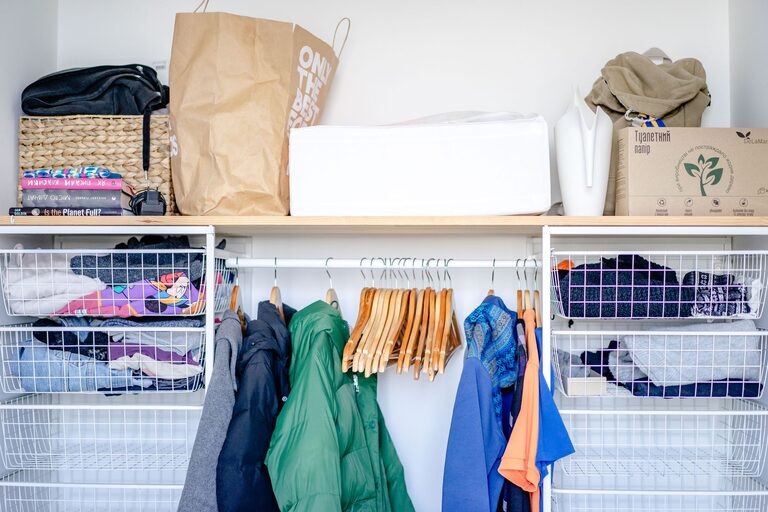
Storing seasonal clothes efficiently can transform your living space and make your daily routine much easier. Whether you’re tucking away summer shorts or winter coats, good storage methods help keep your clothes in great shape and save valuable closet space. In this post, we’ll explore practical tips and strategies to store seasonal clothes neatly, protect them from damage, and find them quickly when the season returns.
Why Proper Seasonal Clothes Storage Matters
Changing out your wardrobe each season is common, but without a proper storage plan, clothes can become wrinkled, damaged, or lost in clutter. Efficient storage will help you:
– Preserve the quality of your garments
– Maximize your closet and storage space
– Save time when switching wardrobes
– Keep your home tidy and organized
Preparing Clothes for Storage
Before storing your seasonal clothes, preparation is key. This process helps avoid any damage from stains or pests.
Wash or Dry Clean
Always launder or dry clean clothes before storage. Dirt, oils, and odors can attract moths and cause fabric damage over time.
Repair and Inspect
Check for loose buttons, missing hems, or small tears and mend them before storing. This will save effort when it’s time to wear the clothes again.
Dry Thoroughly
Make sure clothes are completely dry to prevent mildew growth, especially if stored in airtight containers.
Deodorize and Freshen
Add a light scent with natural options like lavender sachets or cedar blocks. Avoid strong chemical smells that may linger.
Choosing the Right Storage Options
Selecting appropriate storage containers keeps clothes safe and easy to access.
Clear Plastic Bins
These bins allow you to see what’s inside without opening them, perfect for stacking in a closet or under the bed. Make sure they have tight-fitting lids to keep out dust and pests.
Vacuum-Sealed Bags
Great for bulky items like winter coats and sweaters, vacuum bags compress garments and save significant space. However, avoid long-term storage of delicate fabrics this way as compression can damage fibers.
Fabric Storage Bags
Breathable fabric bags protect clothes from dust and allow air circulation, reducing odor buildup and mildew risk. Ideal for woolens and delicate fabrics.
Hanging Garments
For items prone to wrinkling (like dresses or suits), use garment bags and hang them in a less-accessible part of your closet or a spare room.
Organizing Your Stored Clothes
Organization helps you find what you need without unpacking everything.
Label Everything
Use labels on bins or bags with clear descriptions (e.g., “Winter Sweaters” or “Summer Dresses”). This simple step saves time looking for specific items.
Group by Category
Separate clothes by type: tops, pants, outerwear, accessories, etc. Within categories, you might also organize by color or frequency of use.
Store Off the Floor
Keep bins and bags on shelves or pallets if possible. This protects clothes from moisture and pests that can crawl in from the floor.
Tips to Protect Clothes During Storage
Control the Environment
Choose a cool, dry, and dark place to store clothes. Basements or attics might not be ideal due to temperature fluctuations and humidity.
Use Moth Repellents
Natural repellents like cedar chips, lavender, or sachets are safe and effective. Avoid mothballs as their chemicals can be harmful to humans and pets.
Check Periodically
Every few months, inspect stored clothes for signs of damage, moisture, or pests. Airing them out briefly can refresh fabrics and prevent odors.
Space-Saving Hacks for Small Homes
If storage space is tight, try these tricks:
– Use under-bed storage containers to utilize unused space.
– Hang a second rod in your closet for off-season clothes.
– Utilize vacuum bags to compress bulky items.
– Rotate items seasonally and donate or sell clothes you no longer wear.
Conclusion
Efficient seasonal clothing storage is achievable with a bit of planning and the right supplies. Preparing your clothes properly, using appropriate containers, and staying organized will keep your wardrobe in great condition and your home clutter-free. When the next season arrives, you’ll enjoy an easy wardrobe switch and well-preserved garments.
With these tips in mind, your seasonal clothes storage can become a hassle-free part of your home routine!




More Stories