




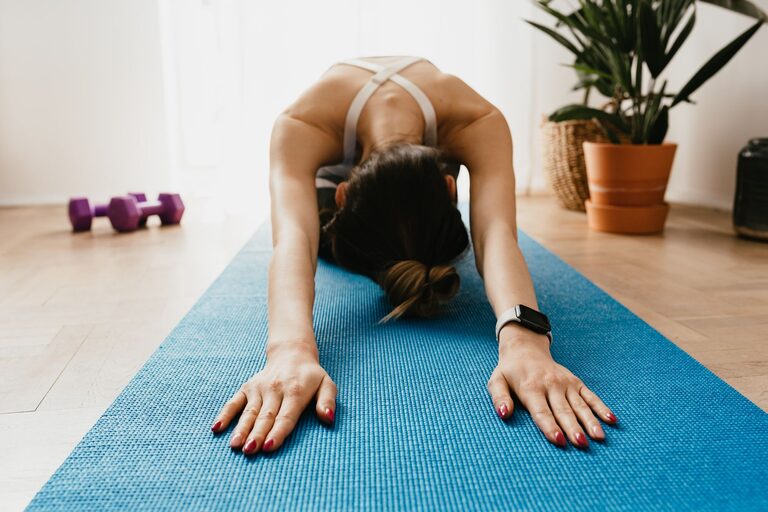
Stretching is a simple yet powerful way to improve your flexibility, reduce muscle tension, and promote overall health. You don’t need a gym or expensive equipment to get started—just a little space at home and some time. This beginner’s guide will walk you through the basics of stretching at home, helping you develop a routine that fits your lifestyle.
Why Stretch at Home?
Stretching at home offers many benefits:
– Convenience: No need to commute or wait for equipment.
– Cost-effective: Free and requires minimal or no tools.
– Stress reduction: Stretching can relax your muscles and calm your mind.
– Improved flexibility: Helps your body move more easily throughout the day.
– Better posture: Can help alleviate muscle imbalances caused by sitting or repetitive activities.
By making stretching a regular habit, you’ll notice increased comfort and mobility in daily activities.
Understanding Stretching Types
Before you begin, it’s helpful to know the two main types of stretching:
Static Stretching
This involves holding a stretch for 15 to 60 seconds. It’s best done after exercise or during a dedicated stretching session to improve flexibility and muscle length.
Dynamic Stretching
This type uses controlled, gentle movements that take your joints and muscles through their range of motion. Dynamic stretches are great as a warm-up before physical activity.
For a beginner starting at home, static stretching is a comfortable way to ease into a routine and gradually increase flexibility.
Preparing to Stretch at Home
Here are some tips to get started:
– Choose a comfortable space: Find a quiet area with enough room to move freely.
– Wear comfortable clothing: Loose or stretchy clothes allow easy movement.
– Use a mat or soft surface: This can protect your joints and add comfort.
– Warm-up briefly: Do 3–5 minutes of light activity like walking or marching in place to get your blood flowing.
– Start slow: Don’t force any stretch; move into it gently until you feel mild tension, not pain.
Beginner-Friendly Stretching Routine
Try this simple routine, holding each stretch for 20 to 30 seconds and repeating 2 to 3 times as you feel comfortable.
1. Neck Stretch
– Sit or stand tall.
– Slowly tilt your head to one side, bringing your ear toward your shoulder.
– Keep your shoulders relaxed.
– Switch sides.
2. Shoulder Stretch
– Bring one arm straight across your chest.
– Use the opposite hand to gently press your arm toward your body.
– Switch arms.
3. Chest Opener
– Clasp your hands behind your back.
– Straighten your arms and gently lift your hands away from your back.
– Open your chest and keep your shoulders down.
4. Cat-Cow Stretch (Spine Mobility)
– Get on your hands and knees.
– Arch your back up toward the ceiling (Cat), tucking your chin.
– Then, dip your back down and lift your head and tailbone (Cow).
– Repeat slowly 5 to 8 times.
5. Seated Hamstring Stretch
– Sit on the floor with one leg extended.
– Reach toward your toes, keeping your back straight.
– Switch legs.
6. Quadriceps Stretch
– Stand tall and hold onto a chair or wall for balance.
– Grab one ankle and gently pull your heel toward your buttocks.
– Keep knees close together.
– Switch legs.
7. Calf Stretch
– Stand facing a wall.
– Place your hands on the wall at shoulder height.
– Step one foot back, keeping it flat on the floor and leg straight.
– Bend the front knee and lean forward slightly.
– Switch legs.
Tips for a Successful Stretching Practice
– Breathe deeply: Inhale and exhale slowly to help your muscles relax.
– Stay consistent: Aim to stretch at least 3 times a week.
– Listen to your body: Stretching should feel good, not painful.
– Progress gradually: Increase stretch duration or repetitions over time.
– Include stretching in daily habits: Stretch in the morning, after work, or before bed.
When to Avoid Stretching
If you experience sharp pain, swelling, or unsure about a particular stretch, it’s best to pause and consult a professional. Avoid stretching cold muscles without warming up first to reduce the risk of injury.
Additional Tools for Home Stretching
While not necessary, some helpful items include:
– Yoga mat: Provides cushioning.
– Resistance bands: Assist with deeper stretches.
– Foam roller: Helps release muscle tightness before stretching.
Conclusion
Starting a stretching routine at home is easy and rewarding. By dedicating a few minutes each day to stretching, you can improve your flexibility, ease muscle tension, and support your overall health. Remember to start gently, stay consistent, and enjoy the calming benefits of this simple activity.
Happy stretching!

More Stories